
Preparing your backyard for a new deck requires clearing the site, managing water drainage, and ensuring the soil is stable enough to support the weight of the structure. Proper preparation prevents the deck from sinking or rotting over time due to moisture trapped underneath. You must mark your utilities, remove sod, and create a slope that directs water away from your home’s foundation.
Should You Call Diggers Hotline Before Starting?
You must call your local utility location service (like 811) at least three business days before you move any dirt. This free service identifies underground gas, electric, water, and fiber optic lines so you do not accidentally hit them while digging footings. Striking a line is dangerous, expensive to fix, and can result in heavy fines from the city.
Many homeowners think they only need to worry about deep holes, but even shallow grading can disturb shallow-buried cable lines. Beyond safety, knowing where these lines sit might change your deck’s layout. If a main water line runs exactly where you planned a support post, it is much easier to shift the design on paper than it is to move a poured concrete pier later.
How Do You Clear the Deck Site Properly?
To clear the site, remove all grass, weeds, and debris from the area where the deck will sit, plus an extra two feet around the perimeter. This extra space gives you room to work and ensures that vegetation doesn’t grow back and touch the wood frame. Removing the organic layer—the top few inches of grass and roots—is vital because decaying plants create soft spots in the soil.
Once the grass is gone, do not leave the bare dirt exposed. Most professionals recommend digging out about 3 to 4 inches of topsoil. This creates a tub that you will later fill with landscape fabric and gravel. If you leave the grass, it will die under the deck, smell like rot, and create a humid environment that shortens the lifespan of your joists.
Why is Ground Slope and Drainage the Most Important Step?
The ground under your deck must slope away from your house at a grade of at least one inch for every 10 feet. This prevents water from pooling around your foundation or the deck’s wooden support posts. Standing water is the primary cause of deck heave, where frozen ground pushes posts upward, ruining the level of your outdoor space.
- Check the Grade: Use a long straight board and a level to see which way the water will run.
- Fix Low Spots: If your yard has a bowl shape, use clean fill dirt (not topsoil) to build up the area near the house.
- Install a French Drain: If your backyard is naturally wet, consider a gravel-filled trench to lead water to a lower part of the yard before the deck goes up.
- Protect the House: Ensure the ground level is at least 6 inches below the door sill to prevent moisture from wicking into your home’s wall framing.
The Role of Weed Barriers and Gravel
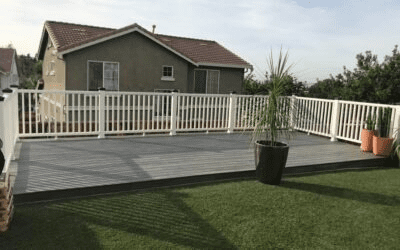
After the ground is sloped, lay down a heavy-duty, woven landscape fabric over the entire area. Secure it with landscape staples to keep it from shifting. This fabric blocks sunlight so weeds cannot grow under the deck, while still allowing the soil to breathe and moisture to drain through.
Cover the fabric with 2 to 3 inches of washed gravel or crushed stone. Avoid using organic mulch, as it holds moisture and eventually turns into soil, which encourages weed growth. Gravel acts as a splash block for rain, preventing mud from splashing up onto your new wood or composite boards, which keeps the underside of your deck clean and dry.
How to Test Your Soil for Stability
Not all dirt is the same when it comes to holding thousands of pounds of lumber and furniture. Load-bearing capacity refers to how much weight the soil can handle before it compresses. If you have expansive clay or very sandy soil, your deck footings may need to be wider or deeper than standard building codes suggest.
One insider trick is the Hand Test. Take a handful of damp soil from the depth where your footings will sit and squeeze it. If it crumbles instantly, it’s sandy. If it stays in a hard, sticky ball, it’s high-clay. Clay holds water and expands, while sand drains fast but can shift. Knowing this helps you decide if you need to use big foot plastic forms at the bottom of your concrete piers to spread the weight over a larger surface area.
Marking the Layout with Batter Boards
Before the first hole is dug, use batter boards and mason’s string to outline the deck. This is more accurate than using spray paint on the grass. By setting the strings, you can use the 3-4-5 rule to ensure your deck is perfectly square to the house. If your layout is even an inch off, your decking boards will look crooked when you try to install them.
Common Pitfalls to Avoid During Prep
A common mistake is forgetting to plan for the ledger board height. The ledger is the piece of wood that attaches the deck to your house. If you don’t account for its thickness and the thickness of the decking boards, you might find that your deck sits too high, blocking your back door, or too low, creating a trip hazard.
Another pitfall is ignoring the frost line. In many regions, the ground freezes and thaws. You must dig your footing holes deep enough to get below this line—often 36 to 48 inches deep. If your footings are too shallow, the winter cold will literally lift your deck out of the ground, causing cracks in the frame and making the structure unsafe.
Final Walkthrough: Is Your Yard Ready?
Walk the perimeter one last time. Ensure there are no overhanging tree branches that will drop sap or debris on your new boards. Check that your outdoor electrical outlets are accessible and that your hose bib (faucet) won’t be trapped behind a joist. Once the frame goes up, fixing these small issues becomes ten times harder.
Frequently Asked Questions
Do I need a permit to prepare my yard for a deck?
While you usually don’t need a permit just to clear grass or move dirt, you almost always need one before you dig footings or start construction. Always check with your local building department to ensure your prep work meets local codes for drainage and setbacks.
Can I build a deck over an existing concrete patio?
Yes, but the concrete must be in good condition without major cracks. You will need to use deck pedestals or sleepers to allow for water drainage between the concrete and the wood. If the patio slopes toward the house, it is better to remove it and start with fresh ground prep.
How much does it cost to prepare a backyard for a deck?
Professional site prep usually costs between $500 and $1,500, depending on the size and the amount of leveling needed. If you do it yourself, your main costs will be tool rentals (like a sod cutter), landscape fabric, and several tons of gravel.
What is the best gravel to use under a deck?
¾-inch washed crushed stone is the industry standard. It is large enough to stay in place but small enough to provide a flat surface. Avoid pea gravel, as it acts like marbles and can shift when you are walking on it during the build process.
Building a deck is a major investment, and the foundation is where most projects fail. Schedule a call with iDeckPro for a free consultation as we handle the heavy lifting and technical grading so you can enjoy a perfectly level, high-quality deck.

0 Comments